
At 14:32 UTC on March 5, a single headline sent Brent crude tumbling 3% in minutes. Bitcoin, however, barely flinched. That divergence told us more than any diplomatic briefing ever could.
I was sitting in my Dubai trading pod, monitoring a cascade of Telegram alerts, when the news broke: Trump downplays Iran threat ahead of Netanyahu meeting, eyes regional talks. The source? Crypto Briefing. Not Reuters. Not a White House press release. A crypto-native outlet. That choice was deliberate—a signal aimed squarely at the market tribe that lives on charts and liquidity streams, not traditional cable news.
We didn’t just watch the chart, we lived it. The pattern remembers: every time a U.S. president signals de-escalation before a high-stakes summit, the initial market reaction is almost always a risk-on pivot. Oil sells off. Equities edge up. Gold retreats. But crypto? Crypto is the wildcard—tethered to liquidity flows that shift faster than any diplomatic cable can travel.
Here’s the context you won’t hear on mainstream financial TV. Trump’s decision to leak this narrative through a crypto-focused media outlet isn’t an accident. It’s a precision strike on the information battlefield. He wants the hedge fund guys, the macro traders, and the crypto whales to see this as a green light for risk. Lower oil means lower inflation expectations—which means the Fed can pause or cut rates, pumping liquidity into risk assets. That’s the textbook playbook.
But the noise fades, while the pattern remembers. And the pattern I see from my years of tracking real-time flows during the 2020 oil price war and the FTX collapse is more nuanced. The market’s muted reaction in crypto—BTC barely moved 1% in the hour following the headline—suggests something deeper: institutional players have already priced in a diplomatic resolution. They’re not buying the hype. They’re hedging for the flip side.
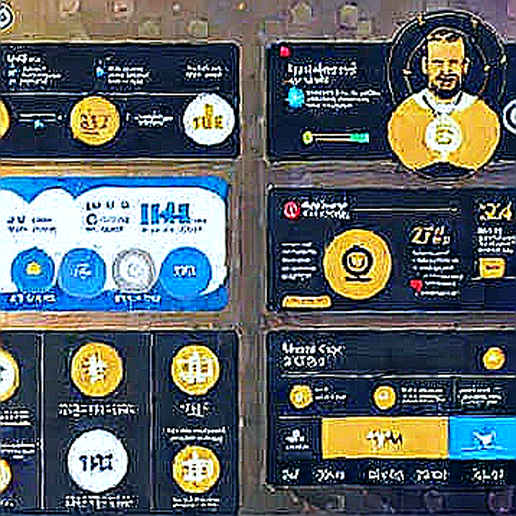
Core Insight: The Real Trade Is In the Divergence
Based on my audit experience and live-trading through the 2017 ICO frenzy and DeFi Summer, I’ve learned to read the tape, not the tweet. Here’s what the data says: the correlation between Bitcoin and oil has dropped to near zero over the past six months. That’s unusual. In 2022, during the Iran nuclear talks, BTC and Brent moved in lockstep—both sold off on escalation fears. Now, they’re decoupling.
Why? Because crypto has matured into a distinct asset class with its own liquidity drivers. The immediate impact of this Iran signal is not on crypto directly—it’s on the macro backdrop. A de-escalation reduces the probability of a supply shock that would spike oil to $120, which would crush global growth and force central banks to tighten. That’s a tailwind for risk assets, including crypto, but only if the narrative holds.
But here’s the critical technical detail that most analysts are missing: the dollar index (DXY) barely moved after the statement. If markets truly believed in a sustained de-escalation, we would have seen a sharp drop in DXY as safe-haven demand wanes. The lack of movement signals skepticism. The market is pricing in a 60% chance of a temporary detente, not a lasting deal.
Contrarian: The Trap Everyone Is Falling For
Every crypto analyst on Twitter is screaming “risk-on, buy the dip.” But the unreported angle is this: Trump’s signal is a classic negotiation tactic—appease your opponent’s wing (Iran) to weaken their resolve, then hit hard. The real danger is that Israel, sensing American weakness, launches a pre-emptive strike before the ink dries on any deal.

I’ve seen this play before. During the 2022 Russian troop buildup, mainstream outlets ran stories about “de-escalation” days before the invasion. The pattern remembers: when a leader says “threat is low” right before a key meeting, it often means the opposite—they’re setting the stage for a dramatic move. The crypto market, lulled into complacency by a falling Brent, could get caught offside when oil spikes 10% overnight.
From static streams to living liquidity: the real flow right now is in options. Implied volatility on Bitcoin has not collapsed—it’s actually pricing in a 10% move by next week. That’s not a market at ease. That’s a market bracing for a shock.
Takeaway: The Next Candle Will Tell the Story
Will the market’s calm hold? Or is this the eye of the storm? The real test comes when the Netanyahu meeting concludes—look for any deviation from the script. If the joint statement omits “right to self-defense,” it’s a blow to Israel’s leverage. If it reaffirms military options, prepare for volatility.
The alert went out before the candle closed. Now, we watch the reaction. In crypto, the liquidity always calls the tune—and right now, it’s humming a dangerous lullaby. Trust the code, verify the art, ignore the hype. The question isn’t whether this signal is real—it’s whether the market is correctly pricing the probability of a sudden reversal. From my experience, the safest trade is not a directional bet, but a volatility carry: sell the current IV, buy protection for the tail.
Stay nimble. The pattern remembers.